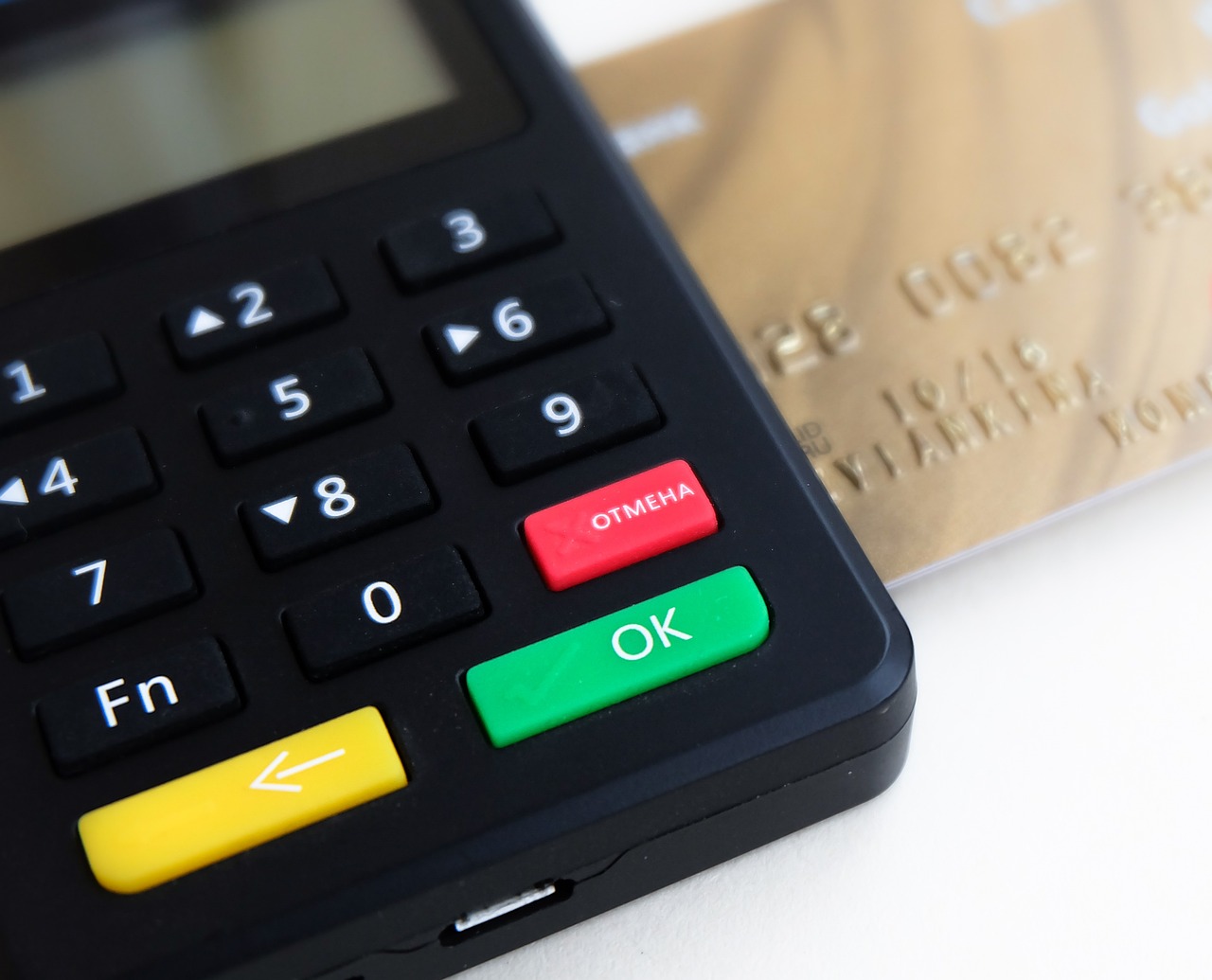
The world is moving faster toward a cashless economy, with businesses and consumers adapting to digital payments. While the convenience of credit cards, mobile wallets, and online transactions has transformed the way we shop, cash is still a relevant and important part of the conversation. For small businesses, the question isn’t just if they should go cashless but how to navigate the transition while keeping both operational costs and customer satisfaction in mind.
The Rise of Cashless Transactions
In recent years, businesses have embraced cashless transactions for efficiency, security, and ease of record-keeping. With digital wallets like Apple Pay, Google Pay, Venmo, and Zelle becoming increasingly popular, carrying cash has become less of a priority for many customers. Credit and debit cards remain the most common forms of payment, with tap-to-pay and mobile integrations making purchases seamless.
However, there’s a growing trend that customers are starting to notice: transaction fees.
Who’s Paying for Processing Fees?
Credit card processing fees—typically ranging from 2% to 4% per transaction—can take a significant chunk out of a small business’s revenue. For years, businesses absorbed these fees as part of their overhead. But today, more and more companies are passing those fees directly to customers by implementing a surcharge or offering a “cash discount” to encourage cash payments.
The Consumer Response: Cash is Making a Comeback
Savvy shoppers are starting to pay attention. They’re checking receipts, noticing the extra charges, and inquiring if businesses offer a cash discount. This shift in awareness has led many to carry cash again as a way to save money on purchases.
For business owners, this brings up an important question:
➡️ Should you offer a cash discount?
The Benefits of Offering a Cash Discount
✅ Customer Savings – Consumers appreciate businesses that help them save money. A cash discount builds goodwill and encourages repeat visits.
✅ Avoiding High Processing Fees – By encouraging cash payments, you eliminate card transaction fees, which means more profit stays in your pocket.
✅ Faster Access to Funds – Cash is immediate and doesn’t come with the wait times of credit card processing, which can take 24-72 hours (or longer for some platforms).
✅ Reduced Chargeback Risks – Unlike card payments, cash transactions eliminate chargebacks and disputes that can be costly and time-consuming for businesses.
The Drawbacks of Accepting Cash
❌ Security Risks – Holding large amounts of cash increases the risk of theft or loss, requiring more strict cash-handling policies.
❌ Extra Accounting Work – Digital transactions automatically record sales, while cash requires manual tracking and reconciliation.
❌ Hygiene and Convenience – In a post-pandemic world, some customers (and businesses) prefer contactless payments over handling physical money.
Going Fully Cashless: Is It Right for Your Business?
Some businesses have opted to eliminate cash entirely. While this approach streamlines transactions and eliminates the risks of handling cash, it can alienate certain customers, especially those who prefer cash or lack access to banking services.
Before making this decision, consider:
✔️ Who are your customers? If your clientele includes older individuals, service workers, or those who prefer cash, going fully cashless may cause frustration.
✔️ What type of business do you run? Restaurants, small boutiques, and local service providers may still see a demand for cash transactions.
✔️ Are you transparent about fees? If you’re passing credit card fees to customers, be upfront about it to avoid negative experiences.
Finding the Right Balance
The key to navigating cashless transactions is flexibility. You don’t have to choose an all-or-nothing approach. Instead, consider:
🔹 Offering a small cash discount to encourage cash transactions while still accepting cards.
🔹 Clearly displaying payment policies so customers aren’t surprised by extra fees.
🔹 Exploring alternative payment options like Venmo or Zelle, which often have lower processing fees than traditional credit cards.
Final Thoughts
The future of cashless transactions is here, but cash still has a role in small business operations. By understanding the shifting landscape and adjusting your payment policies accordingly, you can maintain customer trust, keep transaction costs under control, and create a payment strategy that benefits both your business and your customers.
What’s your payment strategy? Do you offer a cash discount?
Want to connect with other small business owners who are navigating these same challenges? Join a Get Local Connect networking group today! Reach out to find a group near you and gain valuable insights, referrals, and support from fellow entrepreneurs.
#CashlessFuture #SmallBusinessSuccess #PaymentStrategies #CashVsCards #ShopLocal #CreditCardFees #GetLocal #BusinessGrowth #EntrepreneurTips #SmallBizCommunity #RetailTrends #GetLocalConnect #SupportLocal

 JoAnne's Spiritual Insights and Business Breakthroughs
Leave a comment